
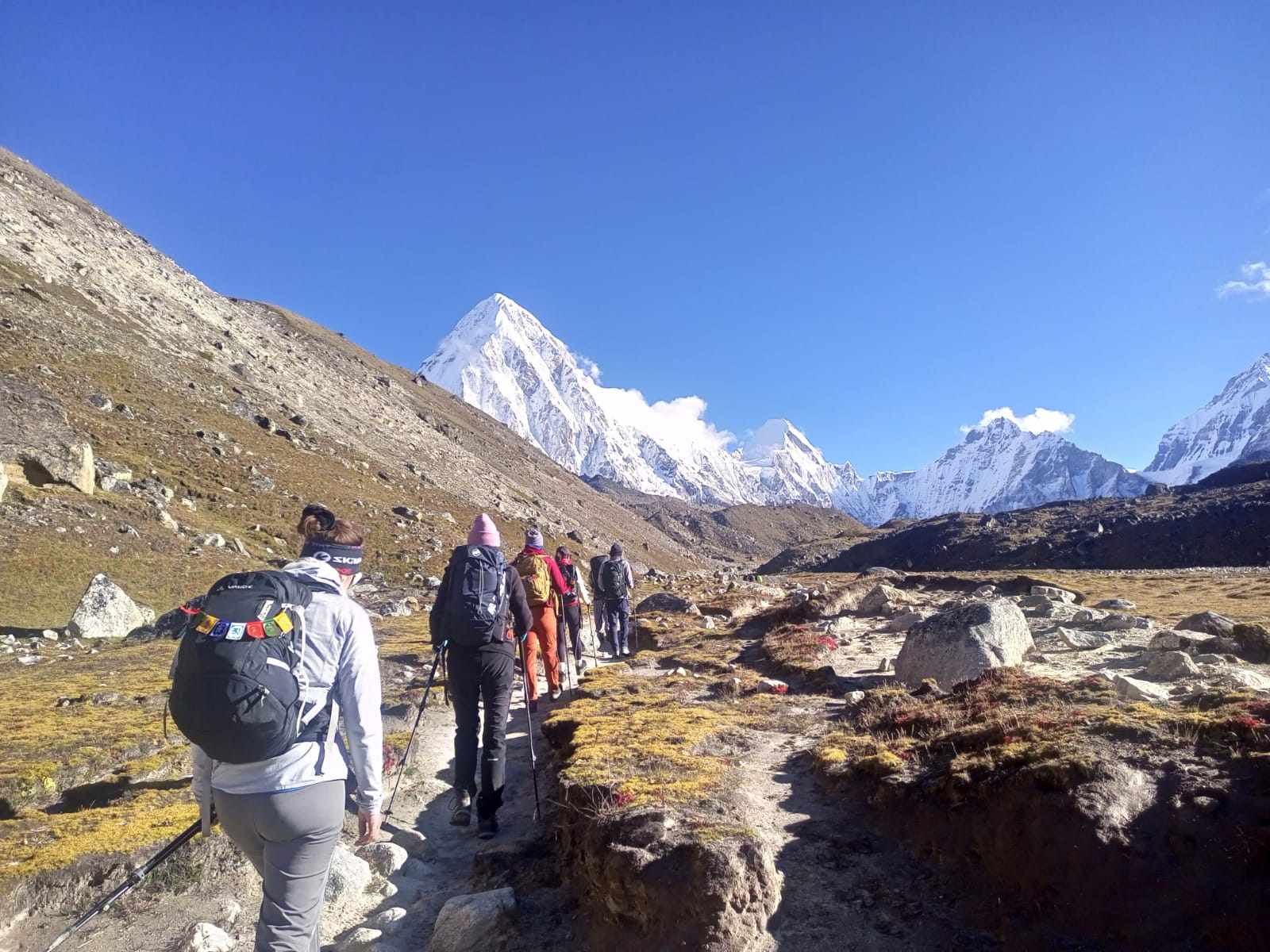
Water matters most when walking to Everest Base Camp. Cold air pulls moisture out fast, while every breath uses more than usual. Headaches creep in if levels drop even a little. Tiredness follows close behind. Adjusting to height becomes harder without enough fluid intake. Drinking well keeps things moving smoothly uphill. Body function stays stable when hydration comes first. High ground demands respect through consistent sipping. Skipping it risks how the journey unfolds.
Water Loss at High Elevations
High up, your breath carries away extra moisture without you noticing. Cold air pulls water out of your lungs quicker, especially when moving around. Sweating happens even if it feels chilly, just less obvious on the skin. Thirst might not kick in fast, but fluid needs stay high. People often miss how much they are losing until symptoms appear. Staying aware helps balance what goes out with what goes back in.
How Much Water To Drink Each Day
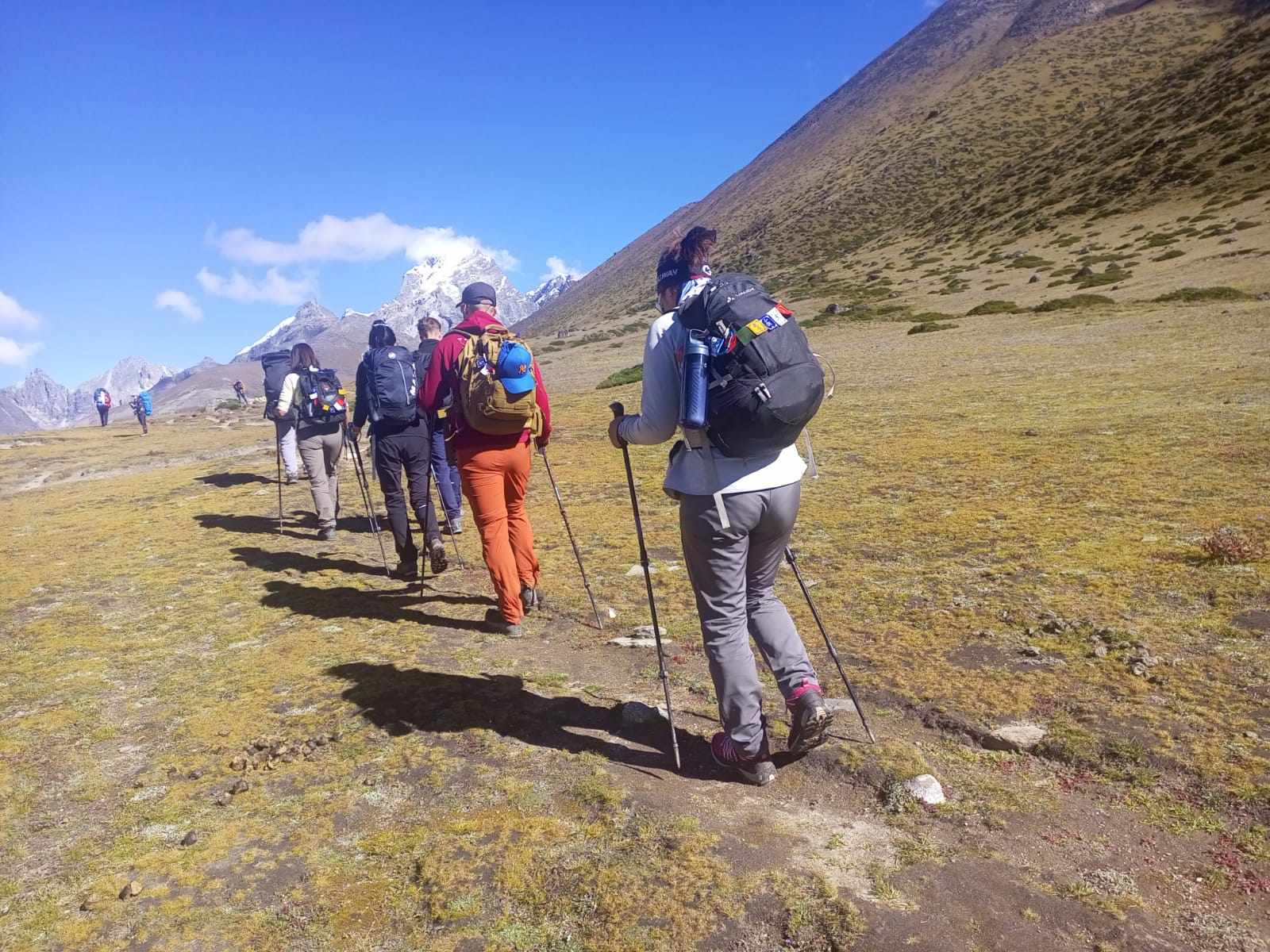
Most people walking toward Everest Base Camp find they require extra water compared to sea level trails. Rather than gulping big volumes now and then, steady sips across daylight hours work better. Small drinks taken often keep fluids stable without straining digestion mid-stride. Conditions like elevation shifts, cold air, or steep climbs mean that the needs change daily. Staying alert to thirst cues - while sticking to a rhythm - keeps supply in line with demand along the path.
Drinks That Help With Water Needs While Hiking
Common thinking is that the only good hydrator is water, and while it is true at lower elevations, a hot drink will perform just as well in colder weather in the high Himalaya. A cup of tea or soup is a liquid to fulfill the organ for homeostasis, and also to warm up fingers. It slips right into your routine: a mug of broth, or just plain boiled water. Then, when you're sweating it out under big packs, a little pinch of salt becomes your drink, balancing what all that effort sweats out.
They pull moisture out faster than you might notice. Sugary mixes tend to do the same, creating thirst instead of killing it. Fluids picked wisely become quiet allies - not just quenching dryness but keeping legs moving longer.
Safe Drinking Water While Hiking
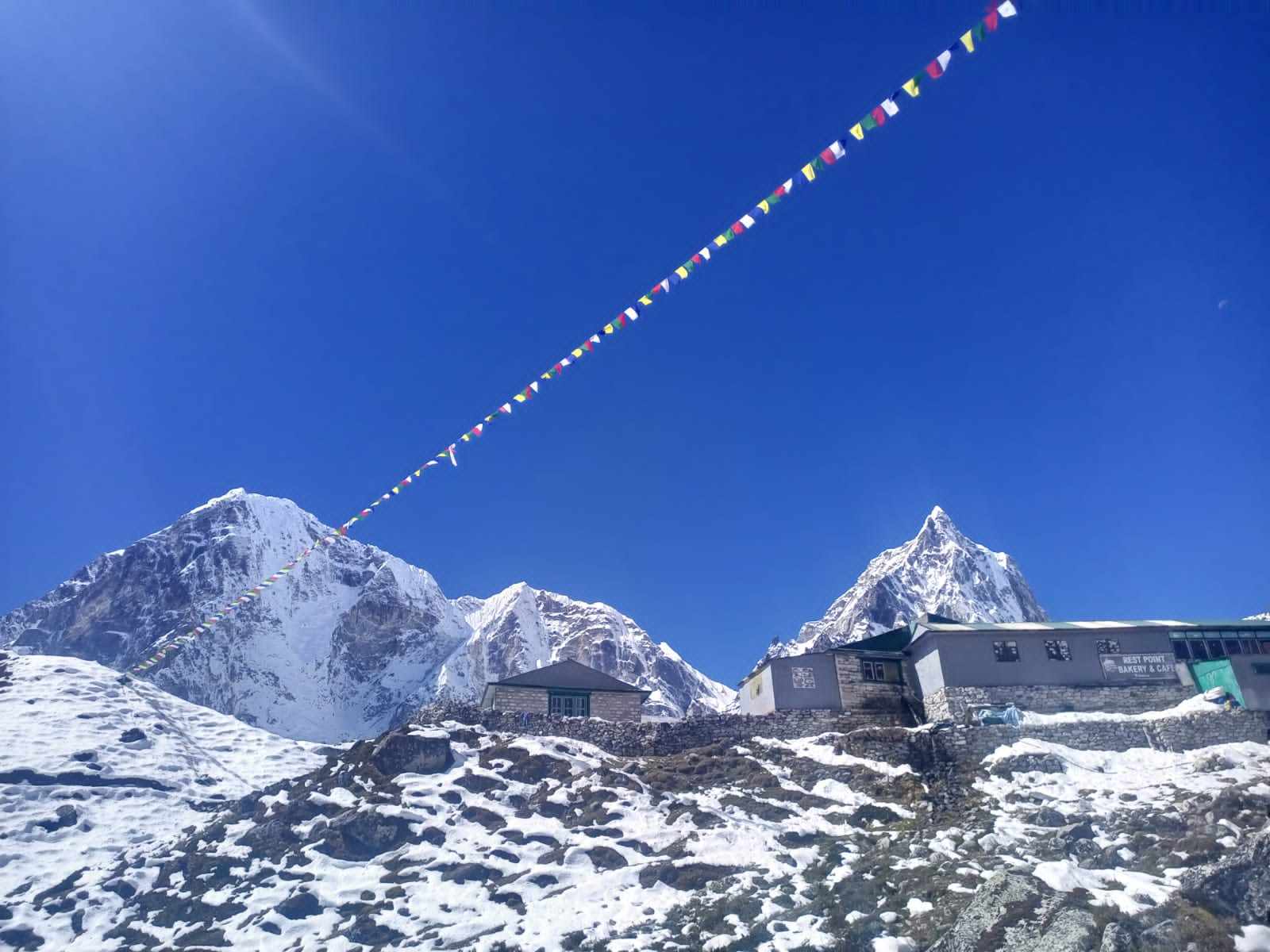
Start smart near mountain trails - water might look clean, yet risks hide beneath the surface. Fresh streams often need help before they're fit to drink. Tablets can change their quality fast; so can proper filtering gear or a solid boil at resting huts. Some guest spots offer ready-to-drink liquid refreshment, although knowing where it came from matters just as much. Knowing what you put inside prevents sickness and keeps the energy for long climbs.
Staying Hydrated While Hiking
This is exactly why, if you follow this principle, water tastes better if not drunk little-and-often than when your mouth has dried. Inside is the SCAA flask, perfect for drinking out of the bottle. A breath before moves fail, and the door opens straight to pain. Tick marks on a watch — sip, soon again. — distances of normal irregularity. Leastow: having already performed this very discipline in the mountains of Patagonia, Chile, where air thins and trails steepen, gained experiential knowledge firsthand, when the temperature is above the heuristic
It might be cold, and you will not feel thirsty. However, your body has lost moisture just by normal breathing. The air, while running cold, the weeks of mild effort emptied in seconds; reserves run dry as sight furthers. Warm fluids throughout the day keep fluid within us, whilst cool winds draw it out. Fitting layers feel heavy with sweat, keeping very warm but not too hot, so that they can evaporate. The dry lips, the mental fatigue can be an indication of far more important — and just paying attention to these initial signs will change the outcome of events before trouble comes.
Balancing Hydration and Altitude Acclimatization
Water keeps your body working right when getting used to higher ground. Moving up toward places such as Namche Bazaar means less oxygen around, so giving yourself time matters - along with drinking enough. Blood moves more easily when you drink regularly, carrying oxygen with it. Too much fluid without minerals, though, might backfire instead of helping. To gradually adapt, a constant mix of water and salts is the most effective.
Gulping Water Without Being Thirsty (also known as too much water during exercises) Hydrating Absolutely Only When you Are Thirsty Sipping Excessive Amounts of Caffeine Neglecting It Weigh What You Lose in Electrolyte (Dietary Traces needed for Our Health; example Sodium Potassium Magnesium…Iodine…) Cold temperatures lead some hikers to drink less water, though many still need it.
Staying Hydrated: Final Thoughts
Water matters most when walking toward Everest Base Camp. Begin early, sip often - this keeps energy steady through cold mornings. Warm tea beats icy gulps; boiled drinks guard against illness. Little by little, each cup helps lungs adjust to thinning air. Skip thirst cues - they lie at high elevations. Instead, refill even when motivation dips. Bodies work more smoothly with steady liquid flow, and there is less strain on muscles during steep climbs. Clarity returns faster after tough days if hydration stays ahead of need. Mistakes happen, yet planning prevents the worst drops in stamina. A flask full before sunrise sets the rhythm for hours ahead. Fewer headaches, calmer breaths - that is what balance brings.

Write a comment ...