
Clouds decide almost everything during the Langtang Valley Trek - views appear or vanish, trails turn slick or stay firm, temperatures shift, jeep schedules change, effort per stride adjusts, safety wavers with altitude. A chosen month offers little guarantee because real mountain conditions reinvent themselves daily, sometimes hourly, deeper in the valley. Morning sunlight gives way to wind, fog, or falling snow well before lunch - that kind of switch arrives quickly when height meets season. Being ready goes beyond comfort; it shapes survival. Out there beyond the city, weather decides how you move before you even realize it. Up in those tall places near Kathmandu, conditions stop being scenery - they begin steering every call you make.
Langtang Weather Changes Fast
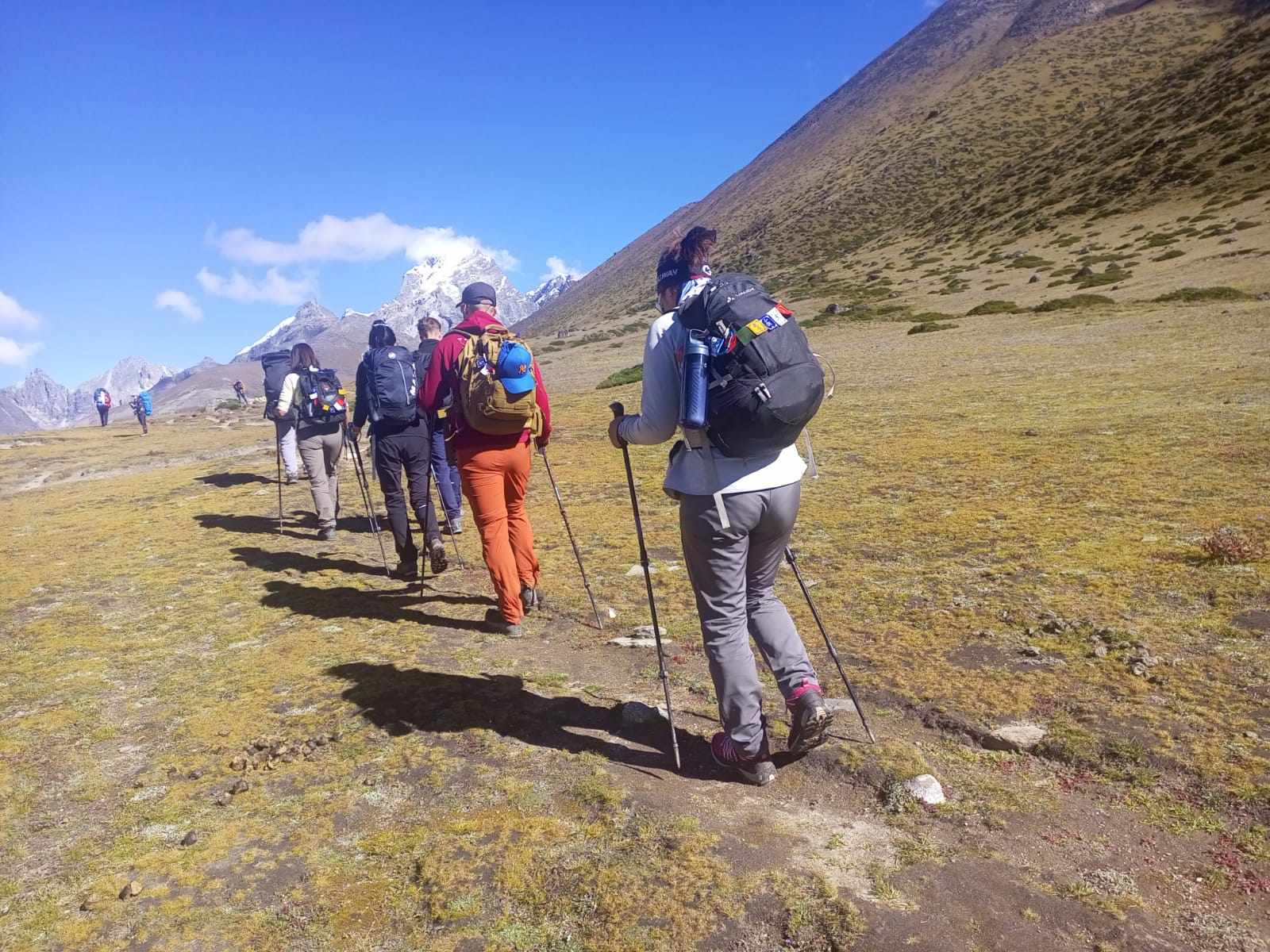
Up in the Himalayas, Langtang’s weather changes around every bend - elevation dances with valley shapes, wind patterns twist, seasons lurch. Where Syabrubesi sits, forests and waterways trap heat, so lowlands feel softer, damper. Move beyond that, climbing toward Kyanjin Gompa, chill grips tighter, breaths grow thin, gales rush past quicker. Trudging uphill means colder steps, hidden quirks revealed at each crest passed. Morning skies may start wide open, yet clouds tend to build up later in the day. Because of this shift, experienced walkers begin hiking right at sunrise rather than waiting until after ten.
Spring Weather In Langtang
Spring is coming. More people walk to Langtang Valley as winter slips away, temperatures rise a little, plants begin waking up again. Not forests - rhododendrons now crowd the trails instead, dawn light spills across clear skies, mountain views grow sharp if clouds stay gone. Day walks feel comfortable beneath trees, effort lighter under gentle sunlight. Yet higher still, villages hold cold nights well past dark. Spring may seem settled, yet mountain zones can bring sudden showers or light snowfall. Crowds pack the paths, but that won’t stop skies from turning.
Summer and monsoon weather patterns
Summer ushers heavy rains into Langtang, aligning with Nepal’s monsoon rhythm. Fog lingers through long stretches, swallowing peaks by midday. Each footfall drags on wet trails, progress measured in careful moves. The route toward Syabrubesi stumbles under unpredictable shifts in sky and soil. Under forest cover, moisture builds, turning firm ground into a yielding sponge. When damp soil appears, tiny animals come around more. Heavy rain might stir the earth on shaky slopes by paths. Views of tall ridges stay hidden under fog that refuses to lift quickly. Some hikers choose rainy season walks because everything turns deep green and noise fades away. Trails demand quick thinking if weather shifts without warning.
Autumn Weather And Clear Mountain Views
Sunlight climbs higher each morning when summer storms fade from the hills. After monsoon ends, skies open up - distant summits appear without warning through thinner haze. Warm days mean steady walking, ground packed solid beneath boots. Mornings begin quiet, water surfaces locked smooth, holding upside-down versions of jagged skyline walls. This time frame offers rare balance: not too hot, never icy, views unblocked by vapor or shadow. By late October onward, nighttime cold grows stronger at high camps, especially near Kyanjin Gompa, where ice coats stones until after ten.
Winter Weather Challenges
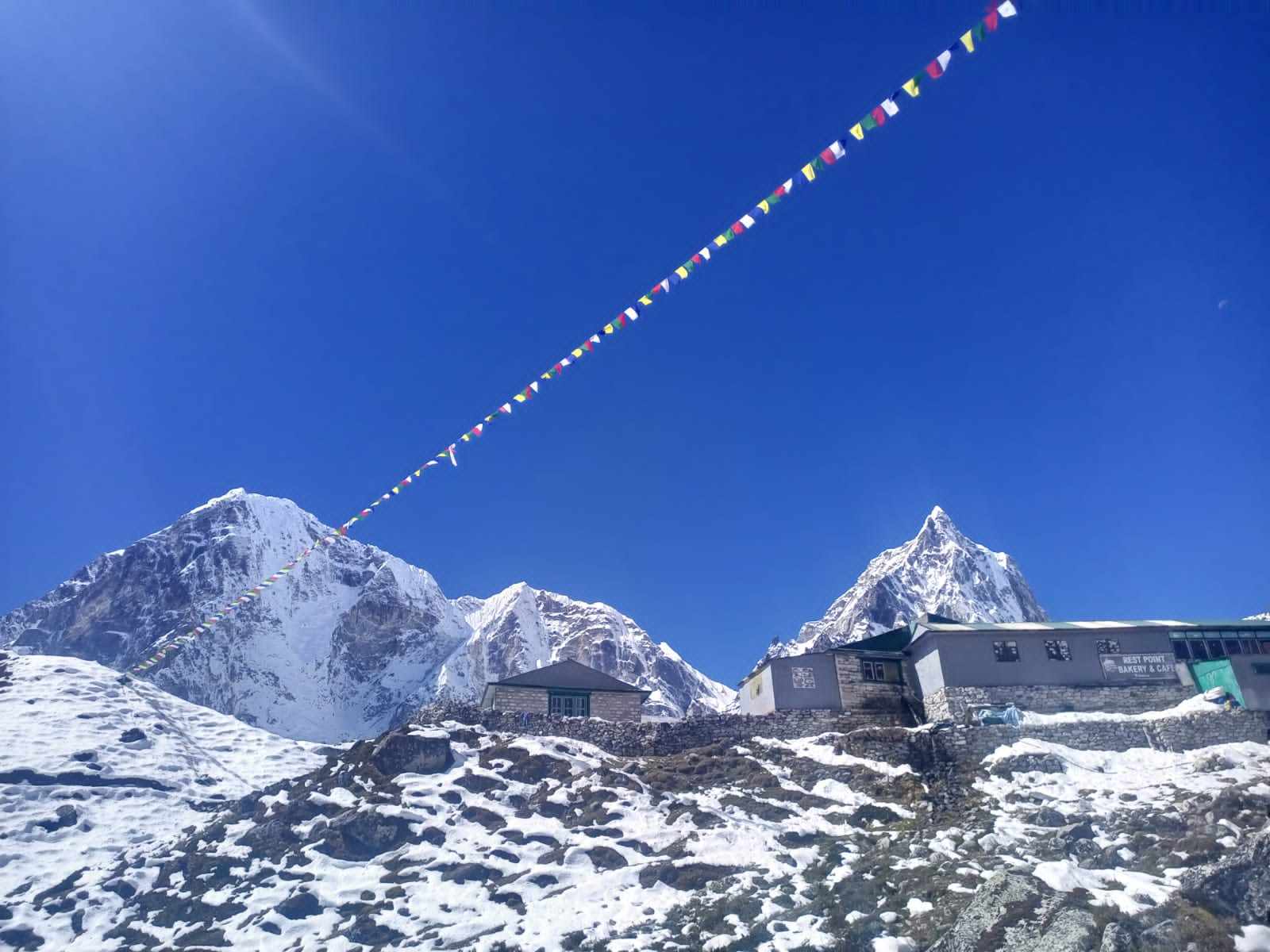
Frost grips Langtang Valley as winter settles in, leaving the valley quiet, almost still. Above, sudden snow may drift down without notice. Morning air cuts sharp, raw against exposed hands and face. Where sunlight does not reach, trails stay glazed, demanding slow movement. Still, when winds calm and clouds vanish, blue arches wide above. Darkness pulls the heat away quickly, replaced by a biting chill. Pipes lock up in frozen rooms, cutting off water in scattered villages. Heat barely lingers in tea houses, making warmth something you have to fight for after sunset. Quiet peaks attract those who know harsh routines, people shaped by long silences under snow. Hardship runs deeper here compared to milder days warmed by spring or touched by fall light.
How Temperature Shifts as You Go Higher
Up high, the chill arrives faster than most hikers guess. Though Kathmandu bakes under steady sun, that warmth fades fast on steep paths upward. Rising ground pulls warmth away - mornings ease in gently, yet dark hours shift sharply. Beyond specific zones, nighttime frost settles often, showing up without warning, staying through busy seasons. Frost nips at exposed skin long before the air temperature suggests it should. Over time, small shifts in clothing choices begin to matter - each added piece quietly fighting the creeping cold.
Morning Versus Afternoon Weather
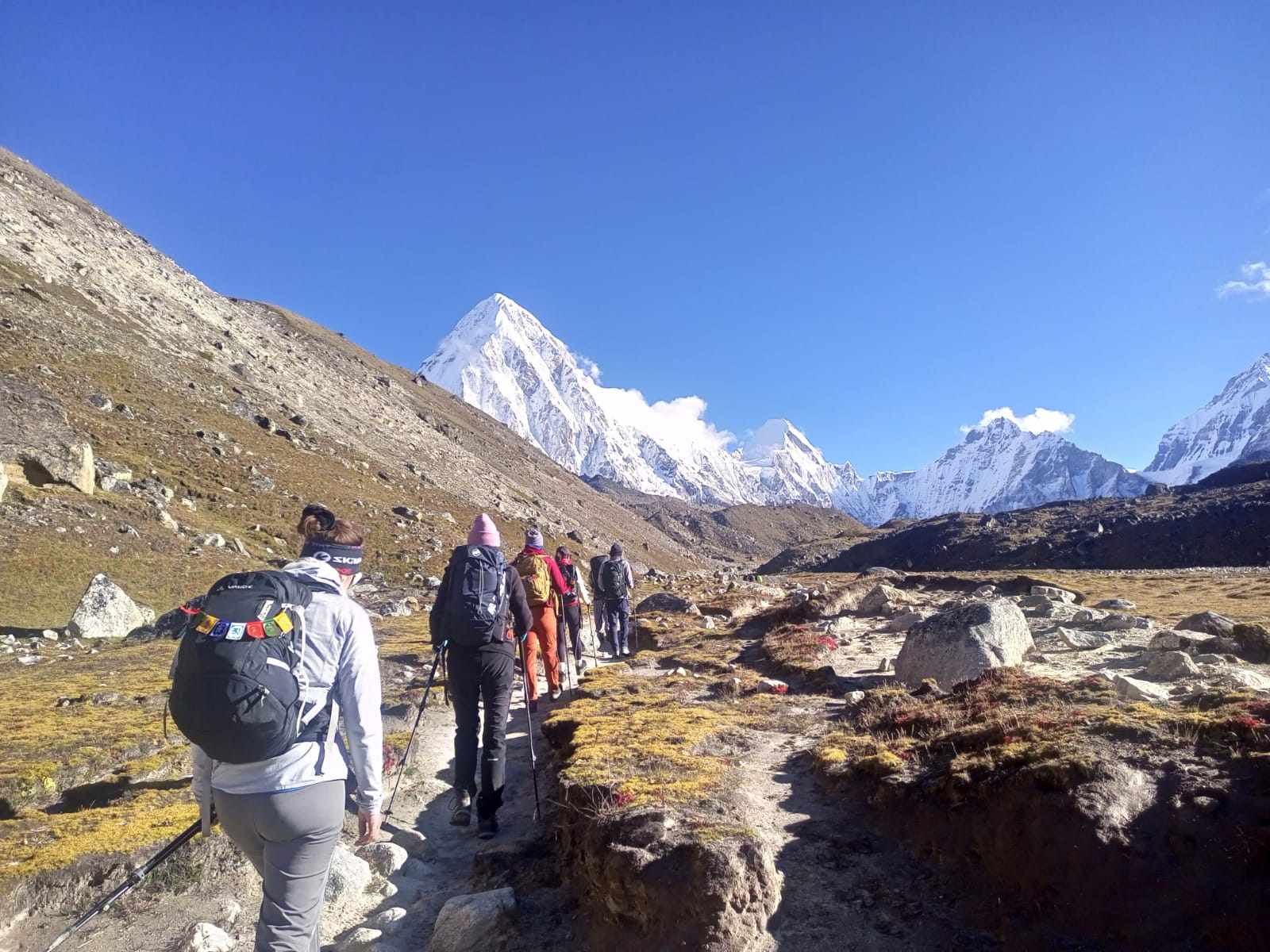
Sunrise pulls most travelers forward, drawn by clear views of Langtang’s ridgelines. Light wind helps then, skies hold steady, making each step easier, warmth close at hand. Later, haze builds - sudden, quiet - changing shapes across the slopes. Fog seeps into valleys, trails soften underfoot, breath slows. This pattern guides timing; hikers move early, aiming for shelter long before evening twists the light.
High Areas Wind And Exposure
Out past Langtang Village, open hills give no cover, so winds bite sharper once tree lines break apart. Clouds dropping low make the cold snap quicker, especially when dusk comes too soon. Sitting hikers feel chill climbing their spines within minutes of stopping. Numbers on a thermometer may seem fine - still, moving air pulls heat slow and sure. What counts above all? A solid outer layer; it guards energy just when wind starts stealing breath.
Weather Affects Trails
Footsteps here show right away what the sky’s pressing down. With clear weather, dust doesn’t rise and trails keep their shape beneath your shoes rather than sliding into mud. Rain pulls time thin, though, spreading wet soil over rocks so footing turns uncertain. Higher up, snow slips in without warning, settling where frost tightens its hold more by the hour. Out of nowhere, a change in the breeze catches you off guard - steps that felt smooth now need attention. Clear skies? That means forward motion comes easier. But when winds turn harsh, legs work harder with every footfall. Tuned into this, hikers find their pace shifting without forcing it. Effort fades when movement meets stillness in just the right moment.
seeing peaks and knowing mountains
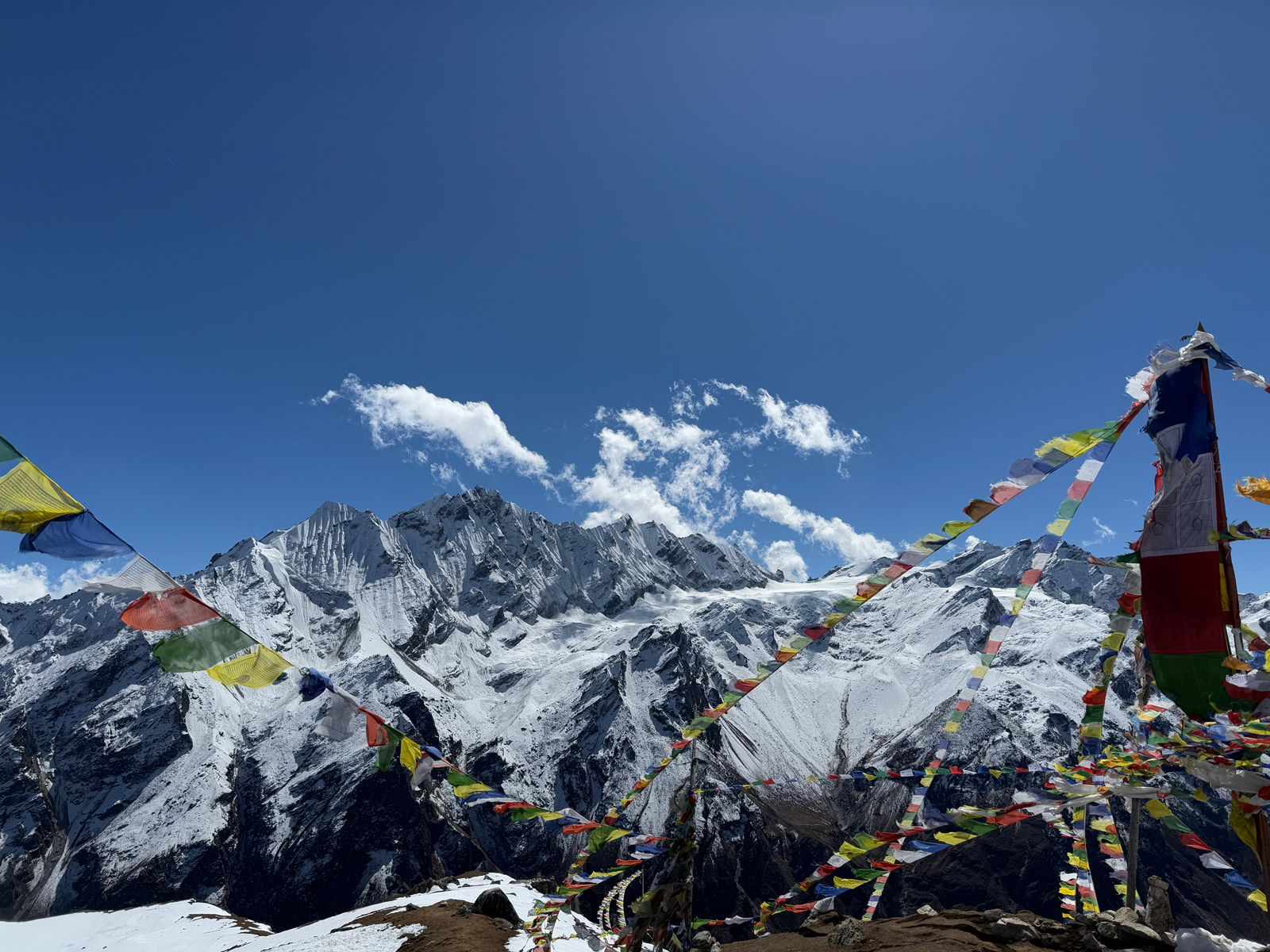
Clear views change how Langtang walks feel - somehow richer. Tired muscles get a jolt as huge mountain peaks rise beyond the ridge line. Yet fog pulls down mood fast, wrapping trails in flat mist that drags each step longer. When clouds roll over suddenly, the land vanishes and chill seeps deeper. Highlanders stand still - pressure shifts without warning. Light slips past gray ceilings now and then, uncovering summits as if speaking truths long held back.
Packing Based on Weather
Water finds its way through tiny gaps, even in thick coats. Layer by layer builds better warmth than bulk ever could. Fast-moving skies change everything - a light outer shield steps in right then. Cold hands slow you down just like wet feet do out there. Heat sticks around under hats, catching people off guard when evening turns chilly. When rocks get slick, boots need real hold - style won’t save you there. Little things tend to go wrong first: a soggy liner, a draft sneaking through seams. Cold doesn’t wait - it moves upward before most notice. Smart hiking means pairing items that function as one team when rain arrives out of nowhere.
Mental Shifts in High Altitude Environments
Clouds roll in whenever they choose above Langtang, plans aside. Rain arrives suddenly, sometimes snow too - paths close without notice. At sunrise, thick fog can swallow trails whole; hours later, it tears open to reveal sharp ridges glowing clear. People who move with the changes usually breathe easier than ones expecting blue every morning. Quiet thoughts beat strict clocks when climbing high.
Langtang Weather Realities
Up in Langtang Valley, the sky holds power beyond jackets and layers. Some months stop planes before they land, others open trails over jagged stone. When spring shines, mist slips off mountain tops - though gusts later knock hikers sideways along thin edges. Rainy season makes earth slide beneath boots, rivers swell past safe passage. Autumn brings clearer days, still nighttime freezes creep in fast, catching many unaware. High up, the air gets thin quick, even if down below everything looks peaceful. Weather changes often, so pack for snow no matter the season, check the sky first thing every day. Plans rarely last long here, since nature moves on its own time - attention keeps you steady. On certain mornings, fog wraps the peaks tight, leaving nothing but quiet, as though Langtang and sky share one breath. Light sometimes bursts through drifting clouds, hitting stone so it glows, transforming dull rock into bright gold. Out here, weather isn’t something in front of you - it moves with you, nudging every move. Pay attention instead of resisting; the payoffs go further than any peak ever shows. Sudden chills hit fast, yet fade into air so soft it feels like secrets passing through. By afternoon, sunlight bends oddly, drawing shapes on the ground that didn’t exist earlier. Snow comes, then mist, then silence, then wind - each shift keeps the land breathing, uneven, always different.

Write a comment ...