
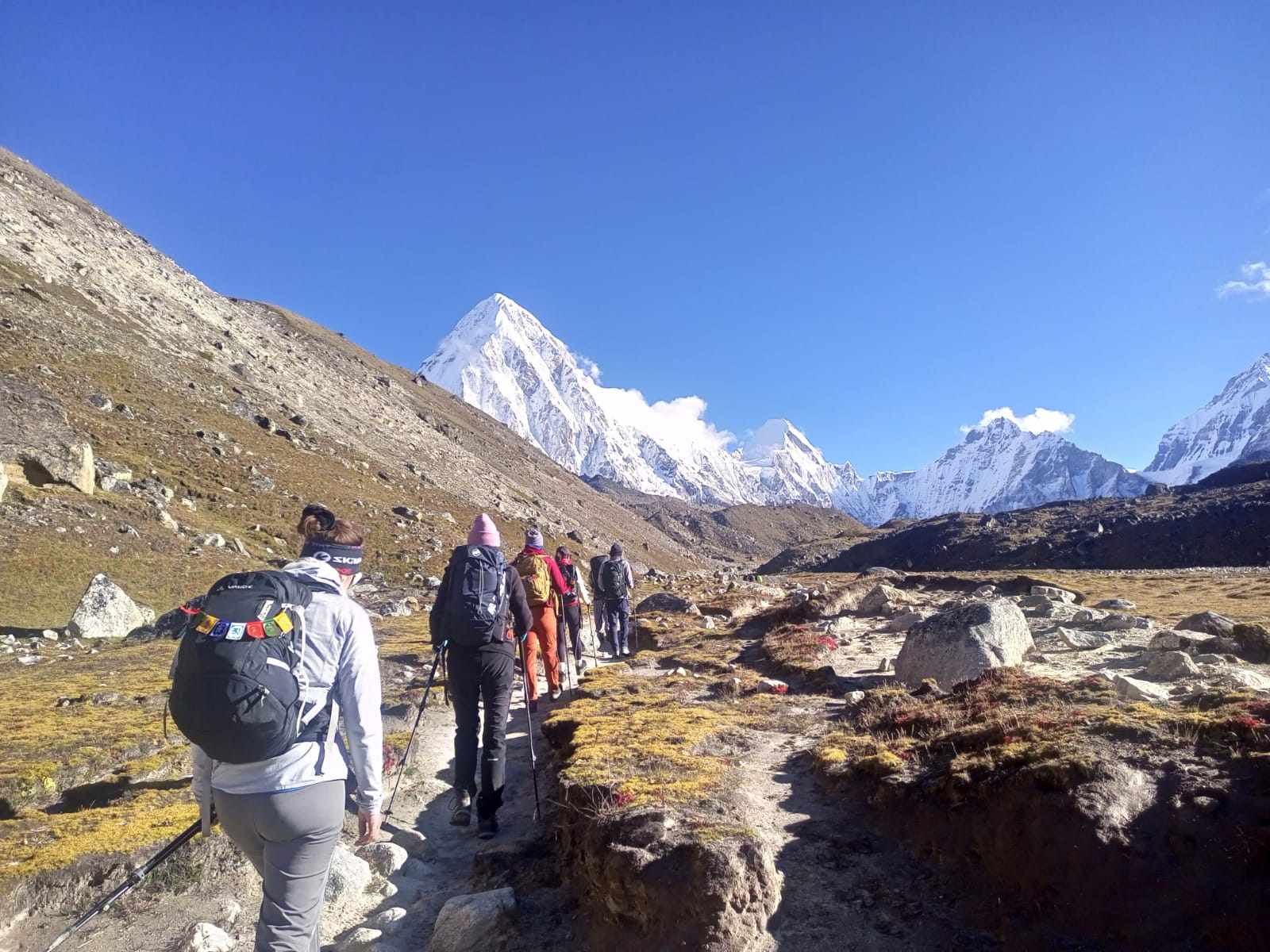
Walking the Manaslu Circuit means climbing high into the Himalayas, close to Mount Manaslu, yet it's far beyond just altitude. Instead of mere mountain views, people meet communities whose ways of life shift with each village. Though terrain changes slowly, culture transforms sharply - each elevation brings new dialects, customs, and daily rhythms. Because of these shifts, every day on the trail feels unlike the one before. While legs carry travelers forward, encounters shape what stays long after the walk ends.
Shifts in Hindu and Tibetan Cultural Influence
Up near the base, homes sit nestled among terraced fields, shaped by long-held customs of Nepal’s hills. Moving upward, prayer flags begin to flutter beside doorways where red chilies once hung in neat rows. Where flat roofs replace sloping ones, another way of life takes quiet hold. As elevation climbs, so does the presence of butter lamps glowing outside stone-built shrines. Footsteps carry travelers into zones where mantras echo under wide skies instead of temple bells. With each turn on the trail, a new layer unfolds - unasked, unannounced.
Tibetan Buddhism Shapes Life in High Mountain Communities
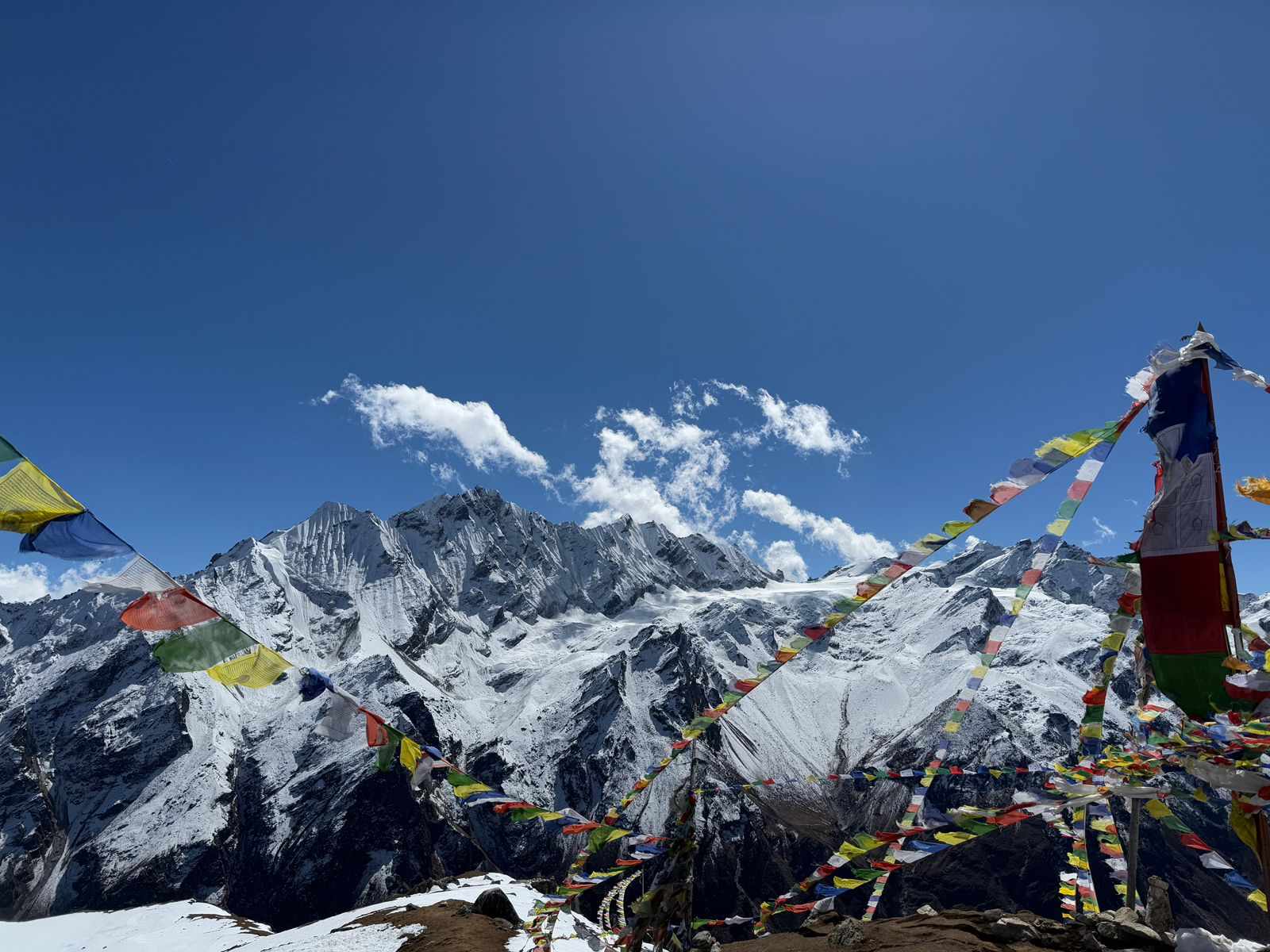
Up there, where the path climbs past places such as Samagaun and Lho, life shifts toward Tibetan Buddhist ways. You’ll spot monasteries tucked into ridges, spinning prayer wheels by trailsides, stone chortens stacked with care, plus fluttering strips of cloth tied to wind and sky. Each symbol ties people closely to these high slopes, almost like roots gripping rock. Around Manaslu Circuit’s vast shadow, belief doesn’t just fill temples - it guides how folks speak, share, and stand together. Walk through, and quiet respect wraps around you without saying a word.
Ethnic Diversity Across Valleys
Walking the Manaslu Circuit, you meet people from many backgrounds - Gurung villages appear first, then Nubri homes rise in higher valleys, followed by communities tracing roots to Tibet. Their ways of speaking differ, customs shift, even how families organize themselves change village to village. As paths wind onward, new dialects float in the air, unfamiliar rituals catch the eye. One trail, so many worlds unfolding with each step forward. Layers of identity stack quietly along the route, revealing Nepal’s depth without saying a word.
Life in the Mountains: Ways of Living
Away from city noise, people on the Manaslu trail grow food, care for yaks, and follow old rhythms shaped by weather and soil. Because the area sits far from roads and cities, ways of living stay much like they were long ago. Visitors notice how each day unfolds in step with sunlight, animals, and crops. Few places left show such clear traces of life built around mountains, not machines.
Festivals and Spiritual Celebrations
Festivals in the Manaslu area show cultural variety, brought alive by local customs. While monks chant during Buddhist observances, villagers prepare offerings for Hindu ones too. From spring planting rites to autumn harvest thanks, each ritual ties closely to nature's rhythm. Though trails wind through quiet valleys, sudden drumbeats may signal a nearby dance ceremony unfolding. Because travelers sometimes arrive mid-celebration, they witness color-filled moments that stay long after the hike ends - culture here breathes, moves, lives.
Buildings Show Who We Are
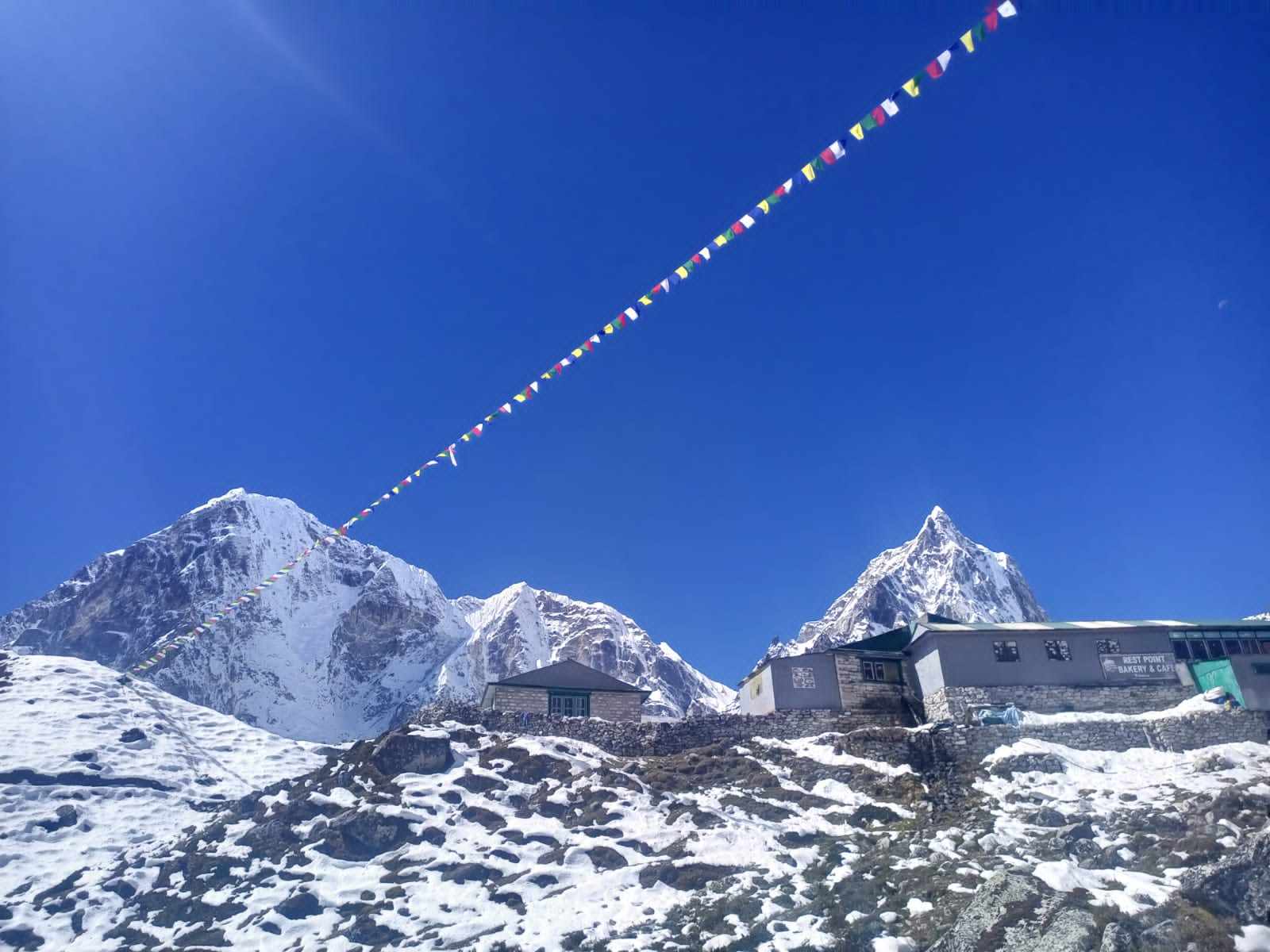
Stone homes shaped by Hindu traditions stand in the lower stretches of the Manaslu Circuit. Up higher, buildings shift - flat rooftops appear, along with Tibetan touches like etched wood panels. Village layouts in elevated zones often grow around monasteries, giving spiritual sites a quiet dominance. As elevation climbs, so does the visibility of cultural blending, shown through walls, windows, and worship spaces.
Language and Communication Differences
Up high, voices carry words shaped by Tibetan roots. Not just Nepali fills the air - villagers trade phrases in native tongues too. Each group keeps its speech alive, distinct yet woven into daily exchange. Talk flows more easily because some people know several ways to say things. Guides step in when sounds don’t match, bridging what words alone cannot. Hearing different languages gives moments on the trail a richer feel.
Hospitality and Local Interaction
Out here, where the mountains shape life, people welcome travelers in ways passed down through generations. Teahouses run by families feel lived-in, humble, full of quiet kindness instead of showy service. Because sharing food and shelter matters deeply, guests find themselves part of something bigger than a journey. Talking happens slowly - over tea, on benches - and stories slip out about weather, farming, faith. Moments like these stick around long after boots get dusty again.
Cultural Harmony in Remote Settings
Out here, where the land climbs high beside Manaslu, people speak different tongues but move like one when it comes to honoring the earth and what lies beyond. Their way of being together shows up in how they share work, celebrate old ways without question.

Write a comment ...