
Up high, beyond the ocean’s reach, a route runs across Nepal’s rough eastern terrain - it leads close to Everest, winding beside sharp peaks such as Lhotse and the sweeping arc of Ama Dablam. Where one step first makes a difference; footfall on soil sets rhythms for lungs, guides choices of rest spots, and affects movement through thin air. Today, many hikers take planes directly into Lukla, bypassing distant starting points, trading distance for altitude, arriving fresh when paths grow steep.
Kathmandu: The Starting Place
Suddenly, tourists start their trek to Everest Base Camp in Kathmandu - the noisy heart of Nepal. This vicinity does more than welcome international arrivals; it additionally handles group bookings, short-term rentals, and device fixes. Most stay put for a couple of days after arriving by plane. After that, movement shifts upward. Beginning major ascents here isn’t rare; actually, nearly every high trail in the country follows this pattern - smoother logistics make the process click without hiccups.
Start flying to Lukla for the trail beginning
Up near the sky, just one short flight links Kathmandu to Lukla. Perched at almost three thousand meters, the small airstrip clings to mountain terrain like a lookout point tucked between ridges. Travelers aiming for Everest usually begin their journey here. After landing, footsteps meet earth then move forward along the path stretching through Khumbu Valley. Flying skips the slow trudge through lowland trails, reshaping who touches these mountains. Valleys shrink when engines slice air, not boots grinding dirt.
Another Route Using Ramechhap Airport
Crowded footpaths mean Lukla flights often launch from Ramechhap instead of Kathmandu - thinner air and traffic both weigh in. Travelers take buses out of Kathmandu early, bound for Ramechhap, before catching their short flight to Lukla. This detour? It's become common lately. Everest routes packed with hikers force timetable tweaks once quiet seasons turn busy. Shifting where planes leave prevents backups piling up at runways.
Trekking Begins in Lukla Village
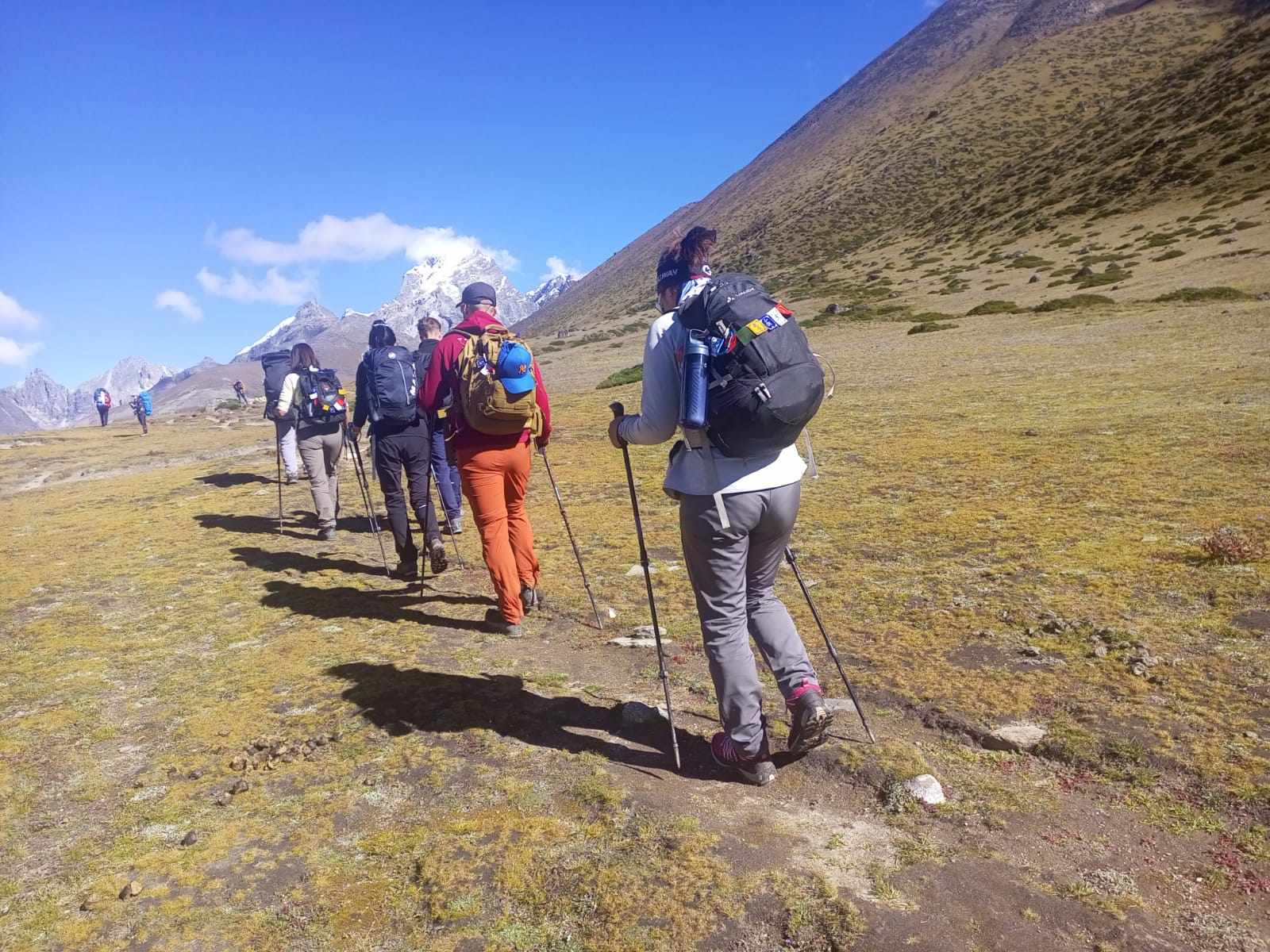
Past Lukla, footsteps touch ground where the true journey begins. Downward at first, then following the flow of the Dudh Koshi River, the trail slips by traditional Sherpa homes. Phakding holds most walkers early on, later giving way to Namche Bazaar. Gentle climbs ease the body into higher levels, reducing how hard it is to breathe. Settlements strung along the route do more than offer shelter - they steady pace and bring quiet contact with mountain life.
Early stops along the way
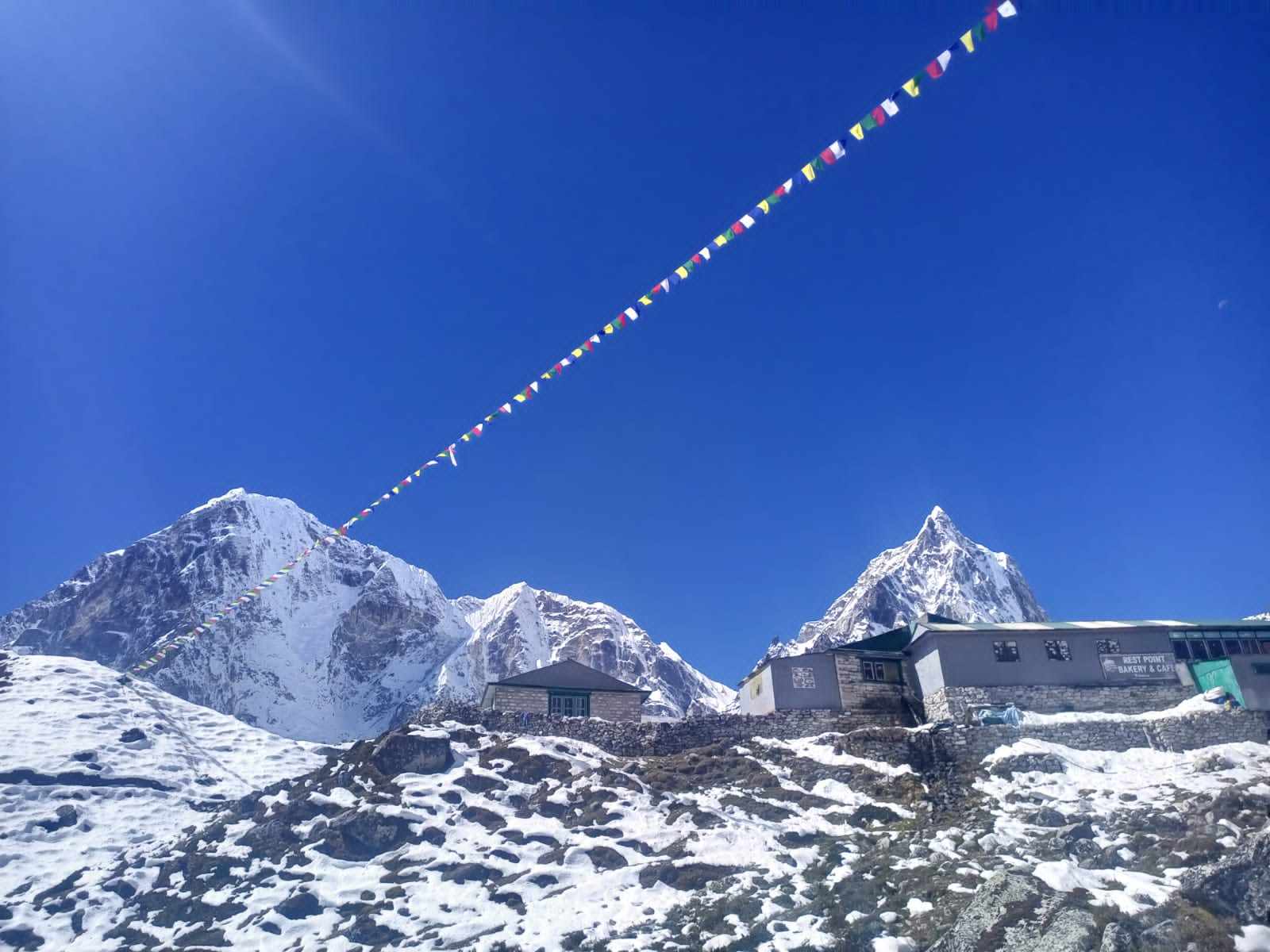
Out past Lukla, the trail slips into Phakding - a riverside pause before Namche Bazaar hums to life as Khumbu’s main trading hub. Higher terrain waits, but only after an added rest day forces a slow body shift. Each upward stretch follows this rhythm woven into every Everest trek. Frequent halts aren’t rare - they’re what stand between steady progress and pushing too hard, too fast.
Slow Start Toward Everest Area
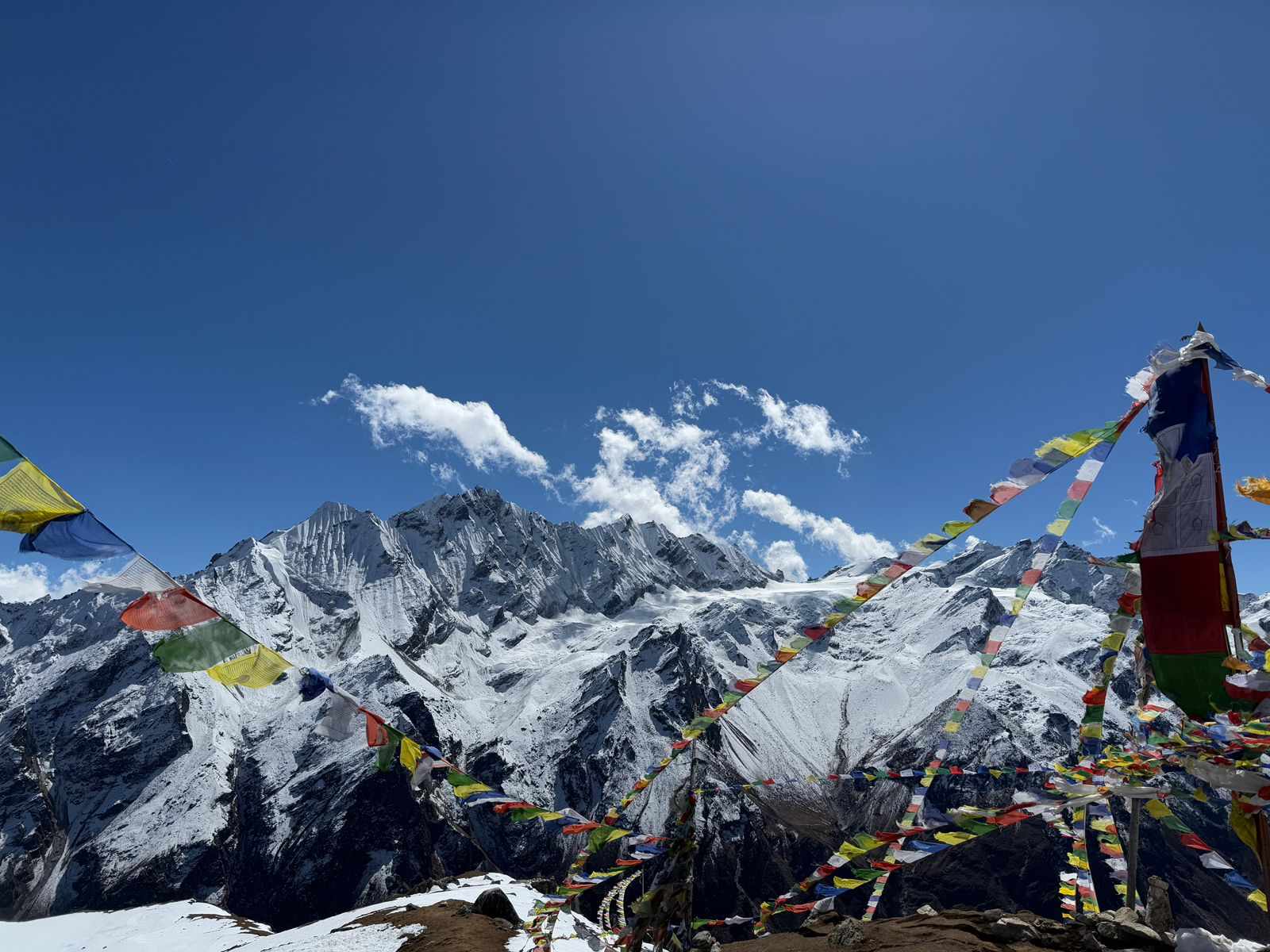
High above the treeline, trails push forward from Namche Bazaar, winding through Tengboche before reaching Dingboche, each turn bringing Lobuche nearer, then Gorak Shep as the last stop before base camp. Step by step, the peaks grow sharper, crowding the horizon like broken teeth. Since people gain height bit by bit, their lungs learn to work differently - that steady pace opens the trail to many who walk it. Over Nepal’s stony backroads, this measured rise repeats itself, not forced but natural, guiding how journeys unfold across thinning air.
Starting Route Significance
Here, everything starts in Kathmandu. From there, a short flight takes you to Lukla - not just convenience, but part of a slower climb that helps your body adjust. Flying into the Khumbu region cuts travel time while preparing muscles and breath for altitude ahead. This method has lasted decades across Nepal, matching practical entry points with thoughtful rhythm once upward steps begin.
Conclusion
High above, close to where the sky seems to touch earth, journeys begin in Kathmandu. From there, travelers board a flight toward Lukla - a tiny hub that serves as gateway to Khumbu. On arrival, footsteps meet soil, stepping onto routes winding through spots like Phakding and Namche Bazaar.
The path climbs lightly, curling upward bit by bit, drawing nearer to Everest Base Camp perched at five,364 meters. These days, transferring up through Nepal favors consistent pacing and thoughtful altitude gain. Because of this, the route stands as standard for most trips headed to base camp. Preparation matters deeply; understanding how it unfolds allows trekkers to ready themselves fully for what waits among the peaks.

Write a comment ...